
Fences
Fence Types in Detail
This is a detailed section for further information on fence types and different services we provide.

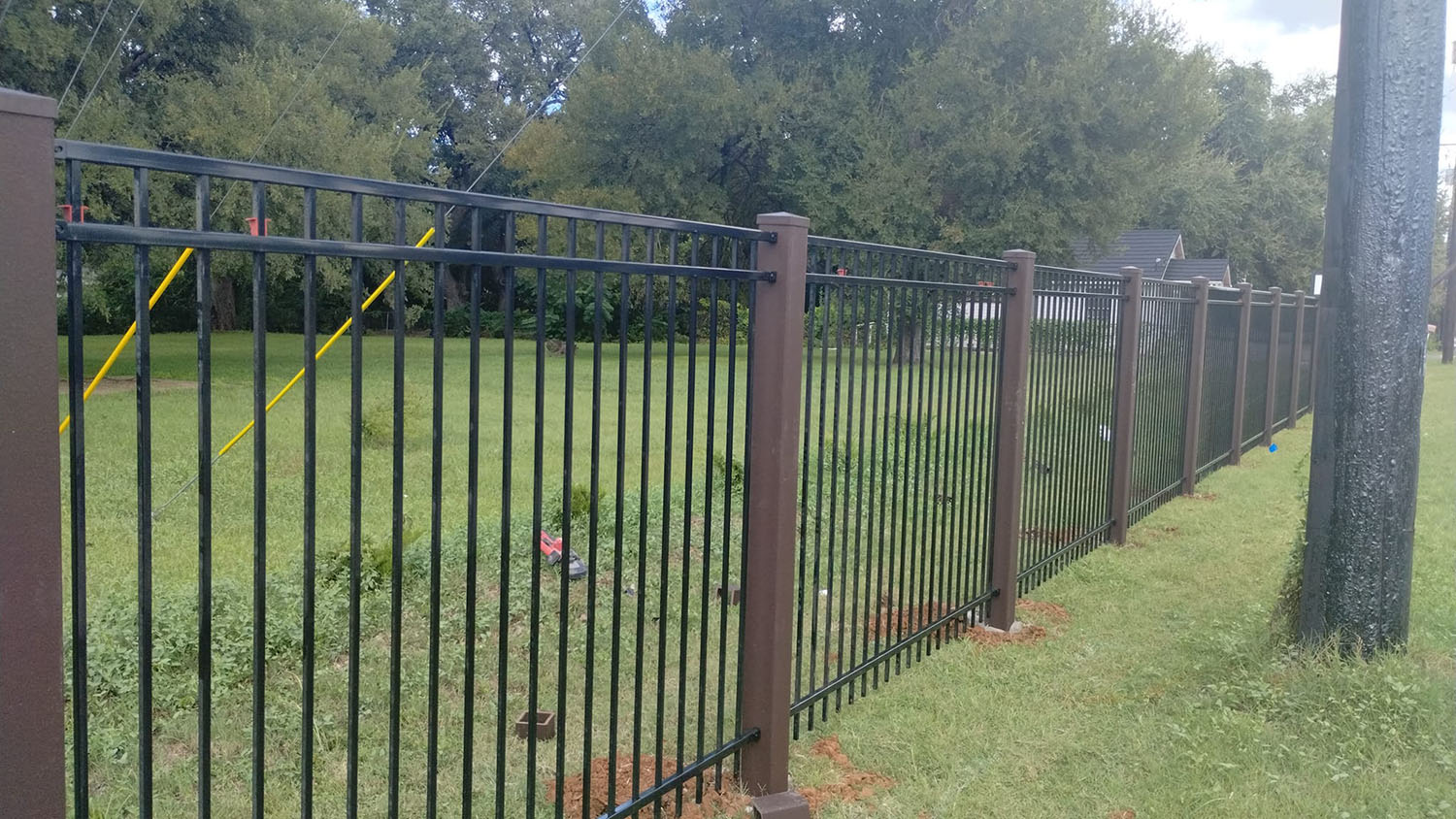
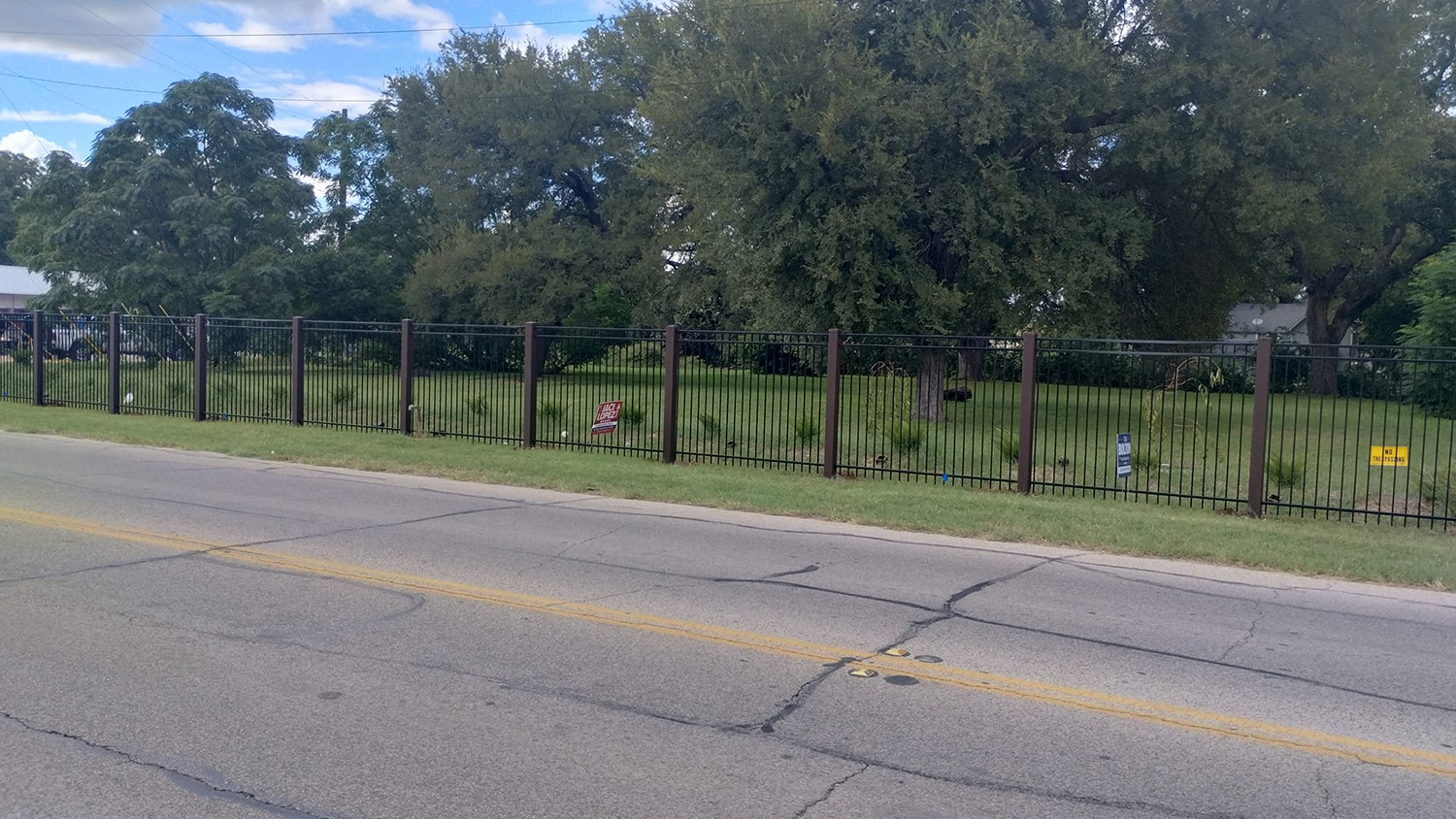
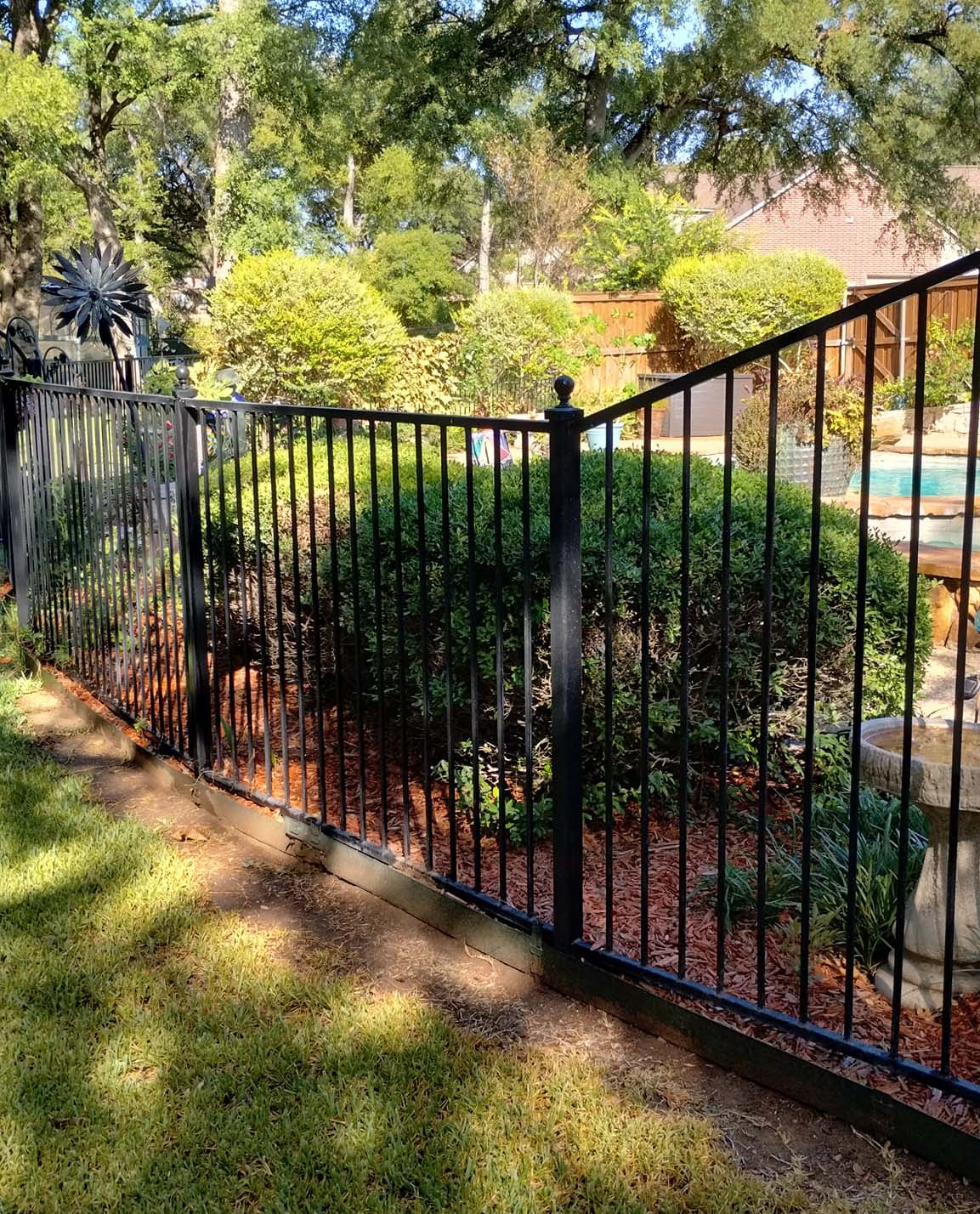
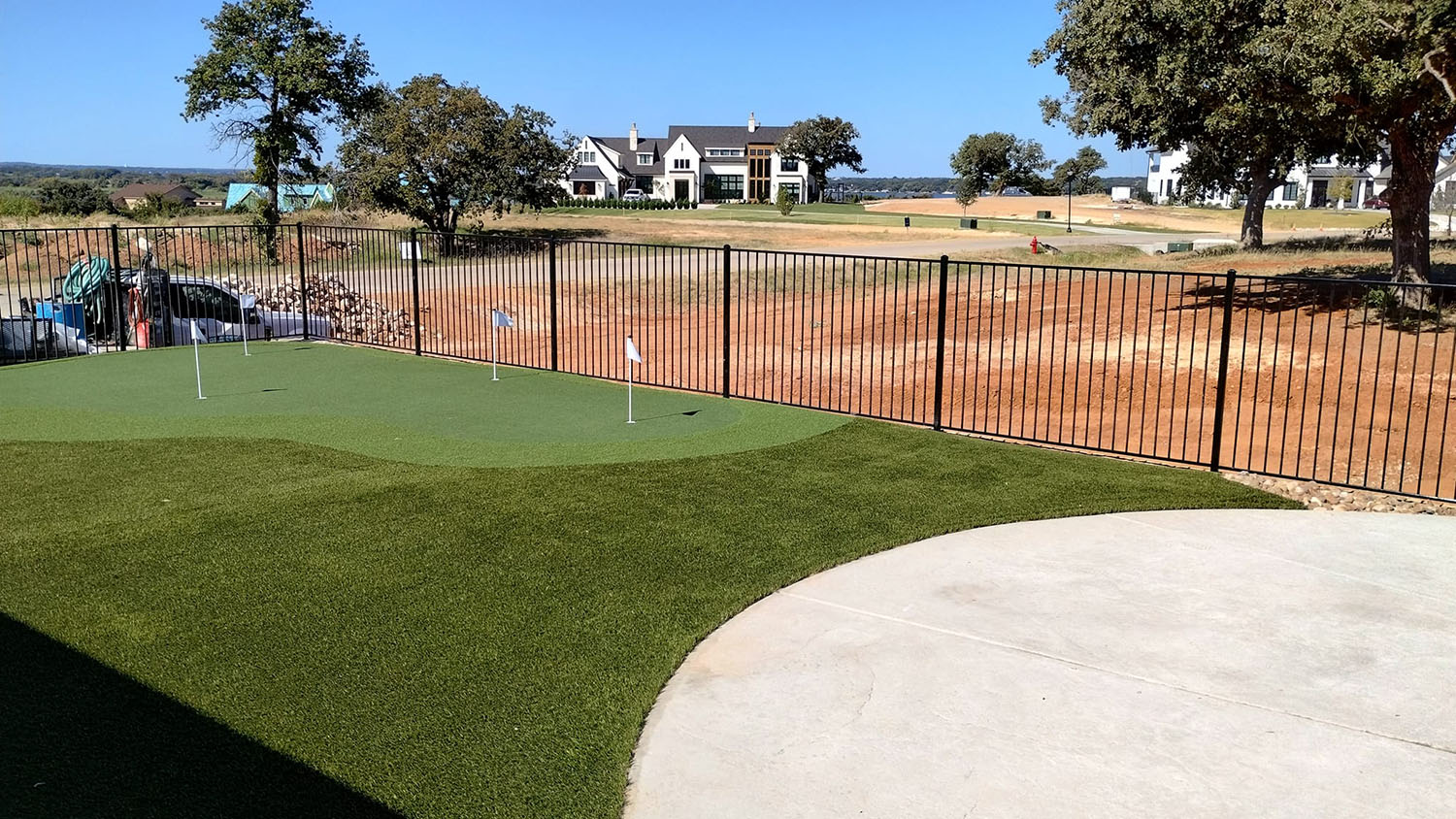
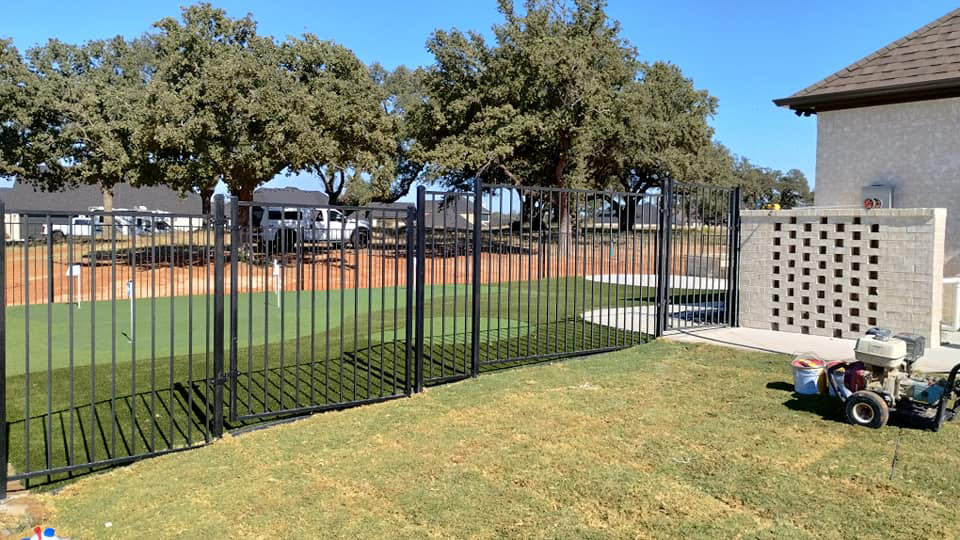
Wrought Iron
Here are the main reasons someone would choose to build a wrought iron fence for their property:
- Timeless and Elegant Aesthetic Appeal; Wrought iron fences offer a classic, sophisticated look with intricate designs, curves, scrolls, and ornamental details. They provide an “Old World” or luxurious charm that enhances curb appeal, never goes out of style (having remained popular for over 200 years), and can increase property value by giving a high-end, distinctive appearance.
- Exceptional Durability and Longevity; Often called “100-year fencing,” wrought iron is extremely strong and long-lasting. It resists physical damage, impact, harsh weather (rain, snow, wind, extreme temperatures), and does not warp, rot, or crack like wood. With proper protective coatings (e.g., galvanization or powder coating), it can last decades or even generations with minimal structural degradation.
- Superior Strength and Security; The robust construction makes it hard to breach, cut, or damage. Features like pointed tops, closely spaced pickets, and the lack of easy hand/footholds deter intruders and climbers far better than chain-link, wood, or vinyl options. It provides a strong barrier while maintaining visibility (open design prevents hidden spots for burglars).
- Low Maintenance (with Proper Care); Modern wrought iron (often steel-based with protective finishes) requires only occasional cleaning, touch-ups for rust spots, and no frequent repairs. It withstands heavy use and environmental stress better than many alternatives.
- Versatility and Customization; It suits residential, commercial, historical, or decorative settings. Designs can be highly customized for gates, patterns, or specific styles, balancing security with beauty (e.g., see-through for surveillance while still providing a formidable perimeter).
- Increased Property Value and Safety Benefits; The combination of elegance, security, and durability often boosts resale value and offers practical perks like safe containment for kids and pets without blocking views.
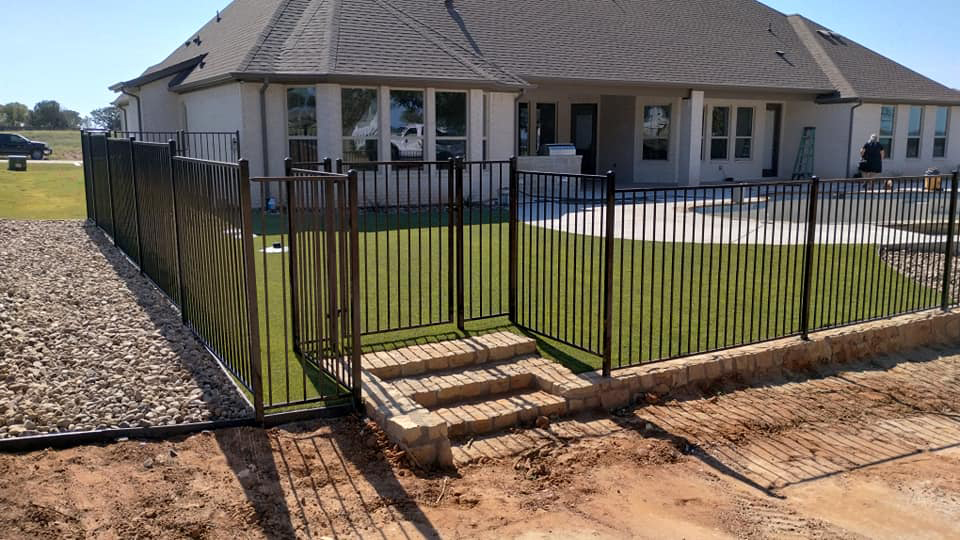
Pipe Fences
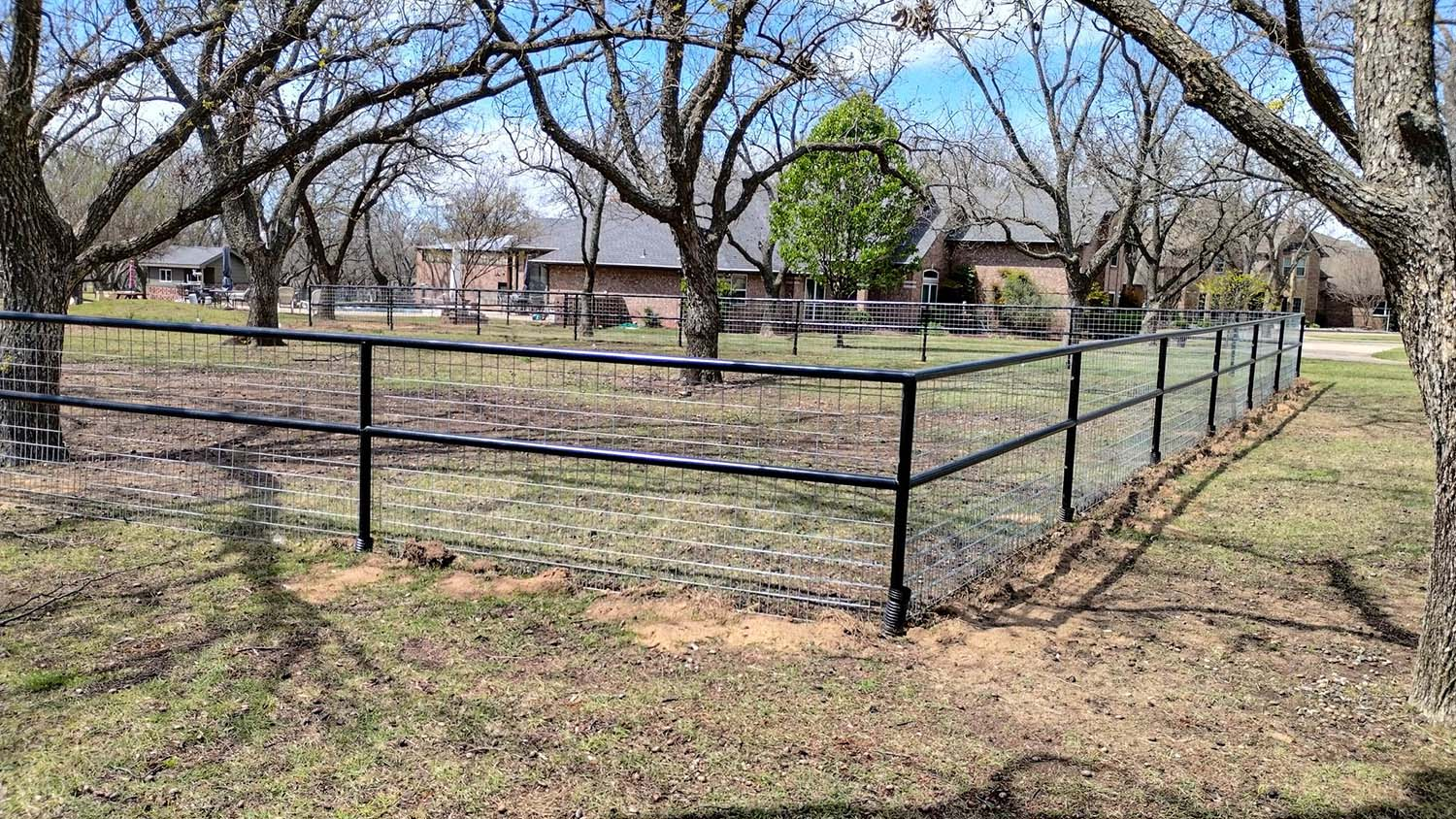
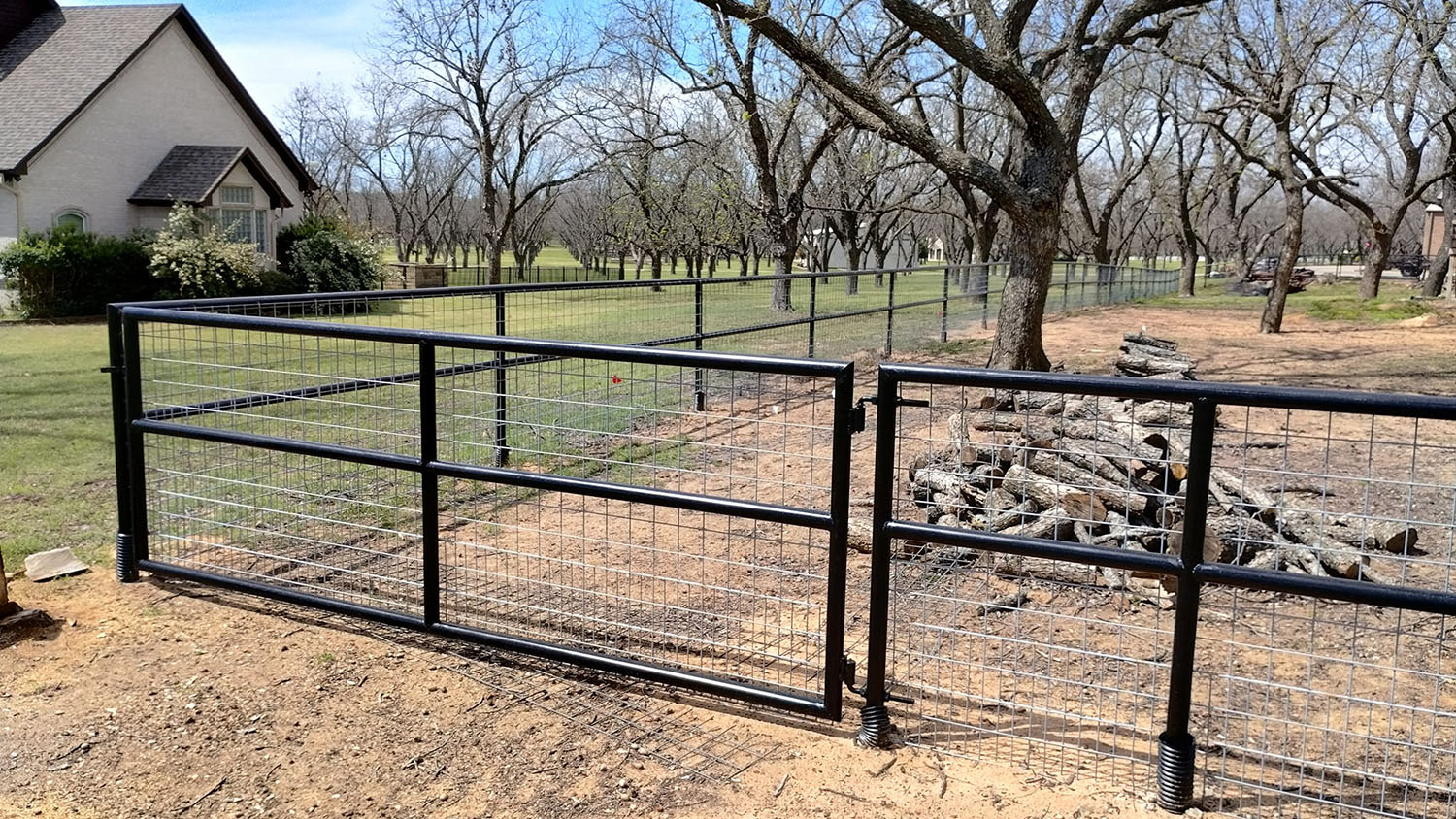
Here are the main reasons someone would choose to build a pipe fence for their property:
- Superior strength and impact resistance – Extremely sturdy and rigid due to thick steel construction and welding; withstands heavy impacts from large livestock (cattle, horses), vehicles, or weather events without bending, breaking, or sagging like wood or lighter materials.
- Exceptional durability and longevity – Lasts decades (often 30-50+ years) with proper installation; resists rotting, warping, splintering, insect damage, and fire-far outlasting wood in harsh conditions.
- Ideal for livestock containment and safety – Highly visible rails help animals see and respect boundaries (great for horses to avoid injury); provides secure, reliable containment for cattle, horses, or other large animals without the risks of barbed wire.
- Low maintenance requirements – Minimal upkeep needed-no painting, staining, or sealing required regularly; occasional inspections or touch-up paint/coating suffice, especially with galvanized or powder-coated options that resist rust.
- Excellent performance in extreme weather – Thrives in hot, dry, windy, or stormy climates (common in Texas); withstands high winds, intense sun, hail, and temperature swings without degrading.
- Affordability for long-term value – While upfront costs may be higher than chain link, it’s often more cost-effective over time due to longevity and low repairs or replacement needs; recycled oilfield pipe can make it economical.
- High security and boundary definition – Acts as a strong physical barrier to deter intruders, keep animals and pets in, and clearly mark large property lines; can be built tall
with added features like gates or toppers. - Versatility for large or rural properties – Perfect for ranches, farms, acreage, horse pastures, or commercial/agricultural use; customizable with different rail counts (2-5 horizontal), heights, and designs (e.g., continuous welded or post-and-rail).
Pipe fences are especially popular in areas like Glen Rose, Texas, and across the state for ranching, horse properties, and large-acreage homes where toughness, animal safety, and minimal ongoing effort are key priorities over maximum privacy or decorative flair (though they pair well with hedges or panels if needed).
Privacy Fence
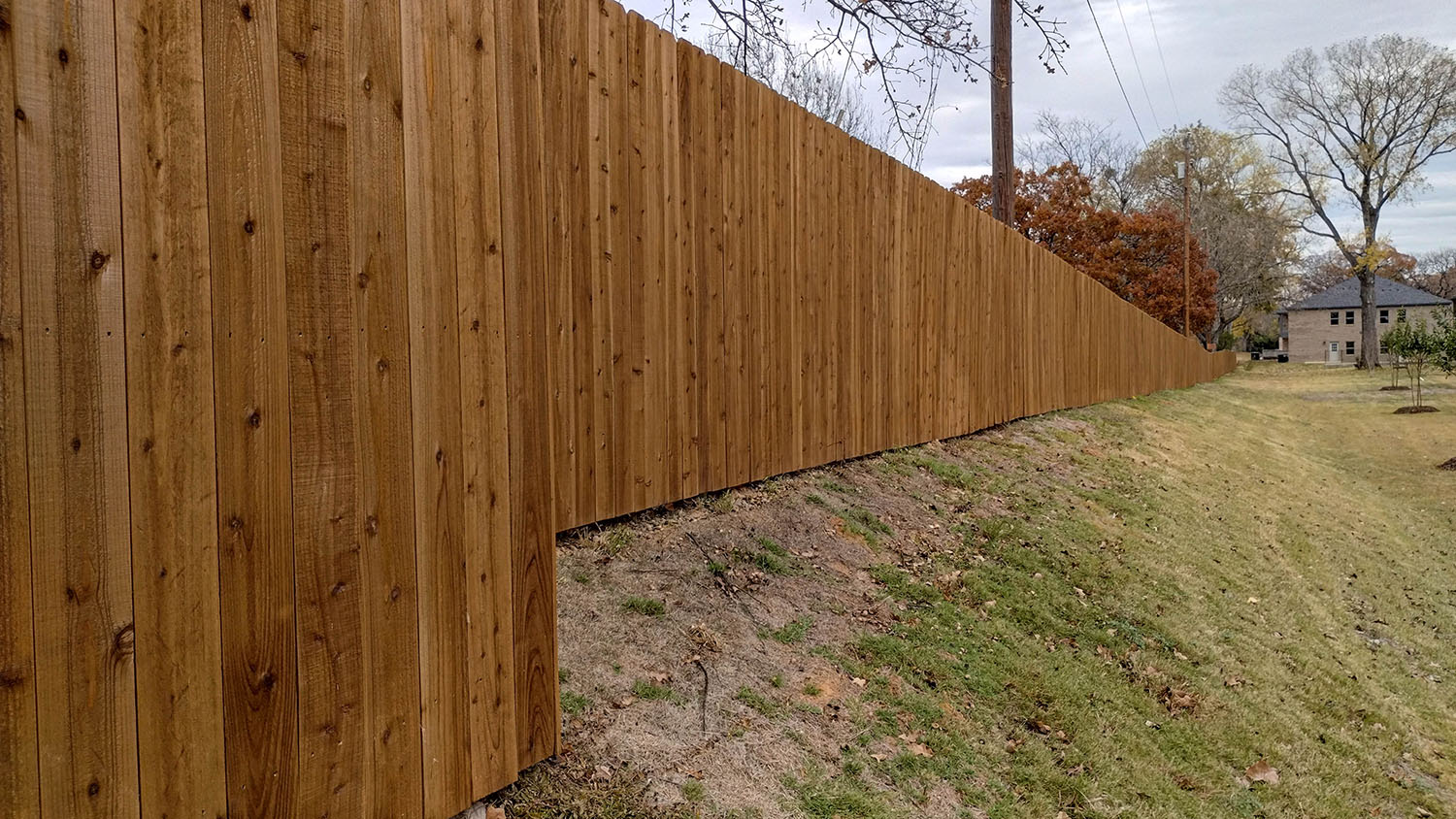
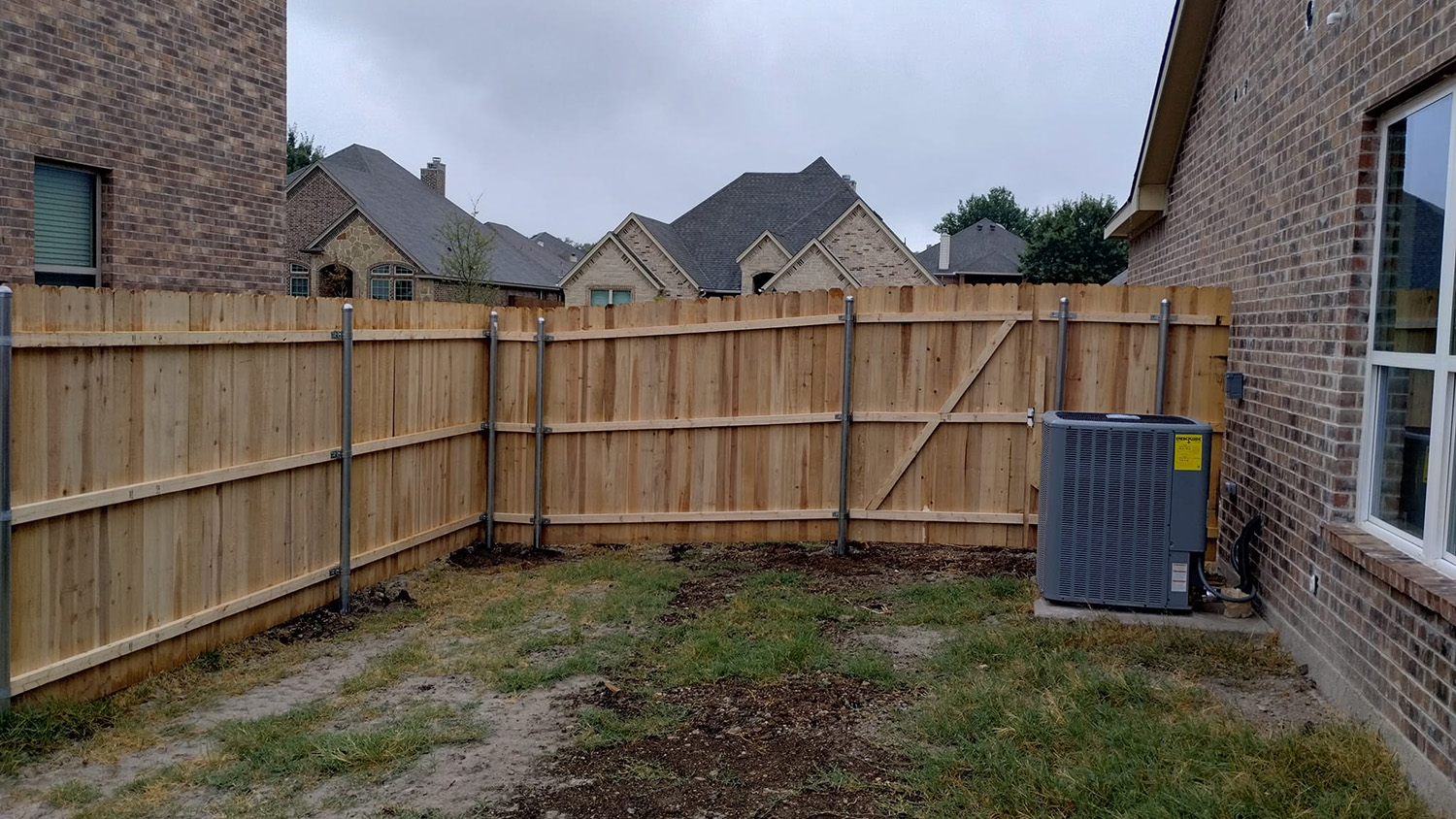
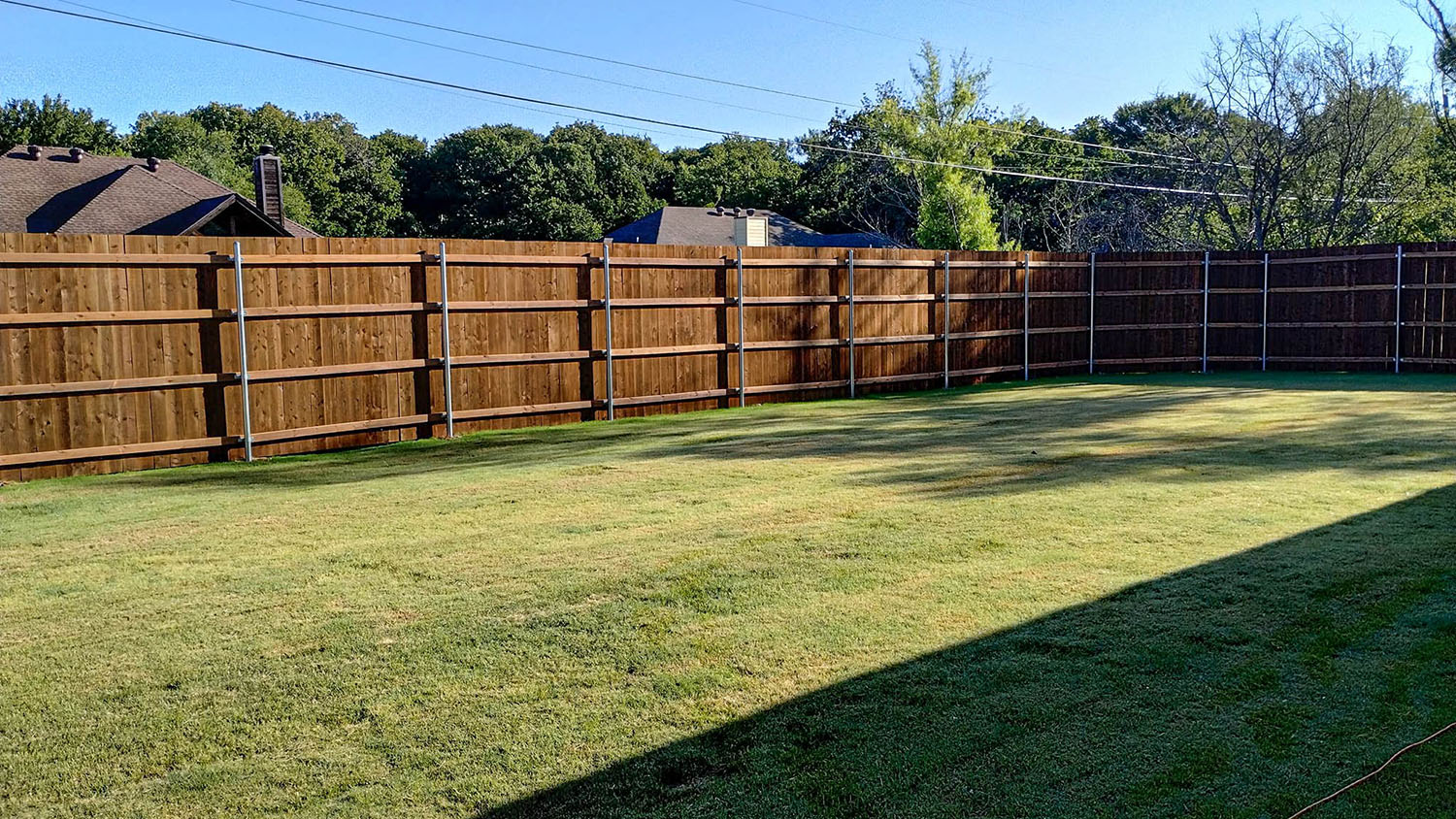
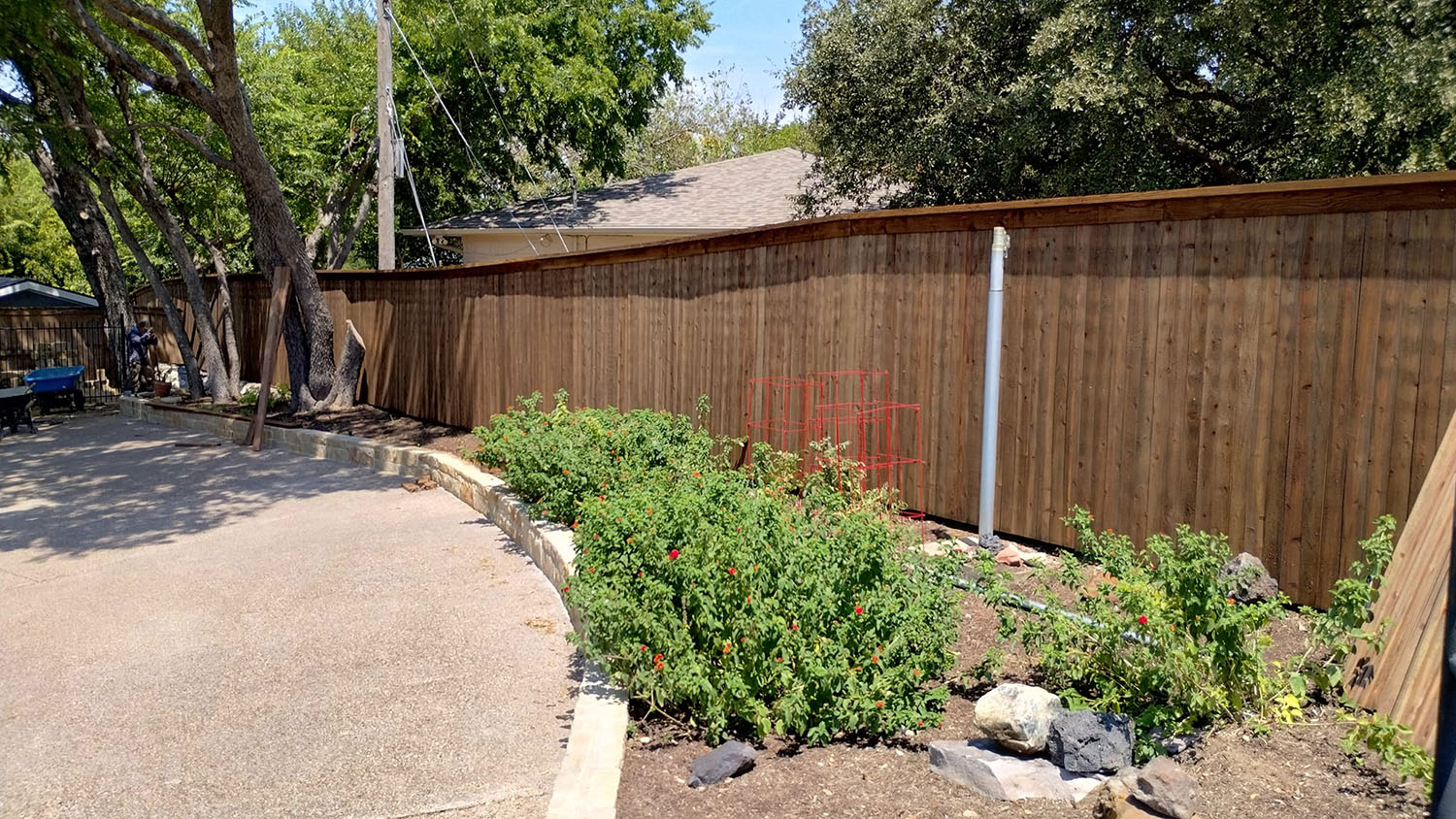
A privacy fence (typically 6 feet tall or higher with solid panels) creates a complete visual barrier, turning your backyard into a secluded retreat—ideal for homes in neighborhoods like those in Granbury, Texas, where yards often sit close together.
Here are the main reasons someone would choose to build a privacy fence for their property:
- Superior Privacy and Seclusion The primary benefit: It fully blocks views from neighbors, streets, or overlooking windows, letting you relax, sunbathe, swim, barbecue, or spend time with family without feeling exposed or observed. This creates a true private oasis in your outdoor space.
- Noise Reduction Solid materials (like wood, vinyl, or composite panels) act as an effective sound barrier, muffling traffic, neighbor conversations, barking dogs, lawnmowers, or street noise—resulting in a noticeably quieter and more peaceful yard.
- Enhanced Safety and Containment for Kids & Pets A tall, solid fence keeps children and pets securely inside your property, preventing them from wandering into roads, neighboring yards, or getting lost. It also blocks stray animals or unwanted visitors from entering.
- Improved Security and Theft Deterrence By hiding valuables (grills, bikes, patio furniture, play sets) from view and creating a physical barrier with limited access points (usually just gates), it discourages intruders and trespassers more effectively than open designs.
- Protection from Wind and Weather Elements It serves as a windbreak, reducing strong gusts that can damage plants, blow away outdoor items, or make patios uncomfortable—especially helpful in Texas’s variable weather. It also shields landscaping and furniture from direct sun, debris, or minor storms.
- Boosted Property Value and Curb Appeal A well-built privacy fence expands usable outdoor living space, making your home more attractive to buyers. It signals a family-friendly, low-maintenance yard and can increase resale value by enhancing privacy and functionality.
- Customizable Style and Versatility Available in materials like natural wood (warm, traditional look), low-maintenance vinyl (durable, fade-resistant), or composite (long-lasting with wood-like appearance), you can choose colors, textures, and add-ons (e.g., lattice tops, gates, or integrated planters) to match your home’s aesthetic.
Compared to open wrought iron fences (which offer elegance and visibility but little concealment), privacy fences prioritize seclusion, noise blocking, and a hidden backyard feel—though they may feel more enclosed and require checking local height/zoning rules (often 6-8 ft max in residential areas).
Chain Link Fences
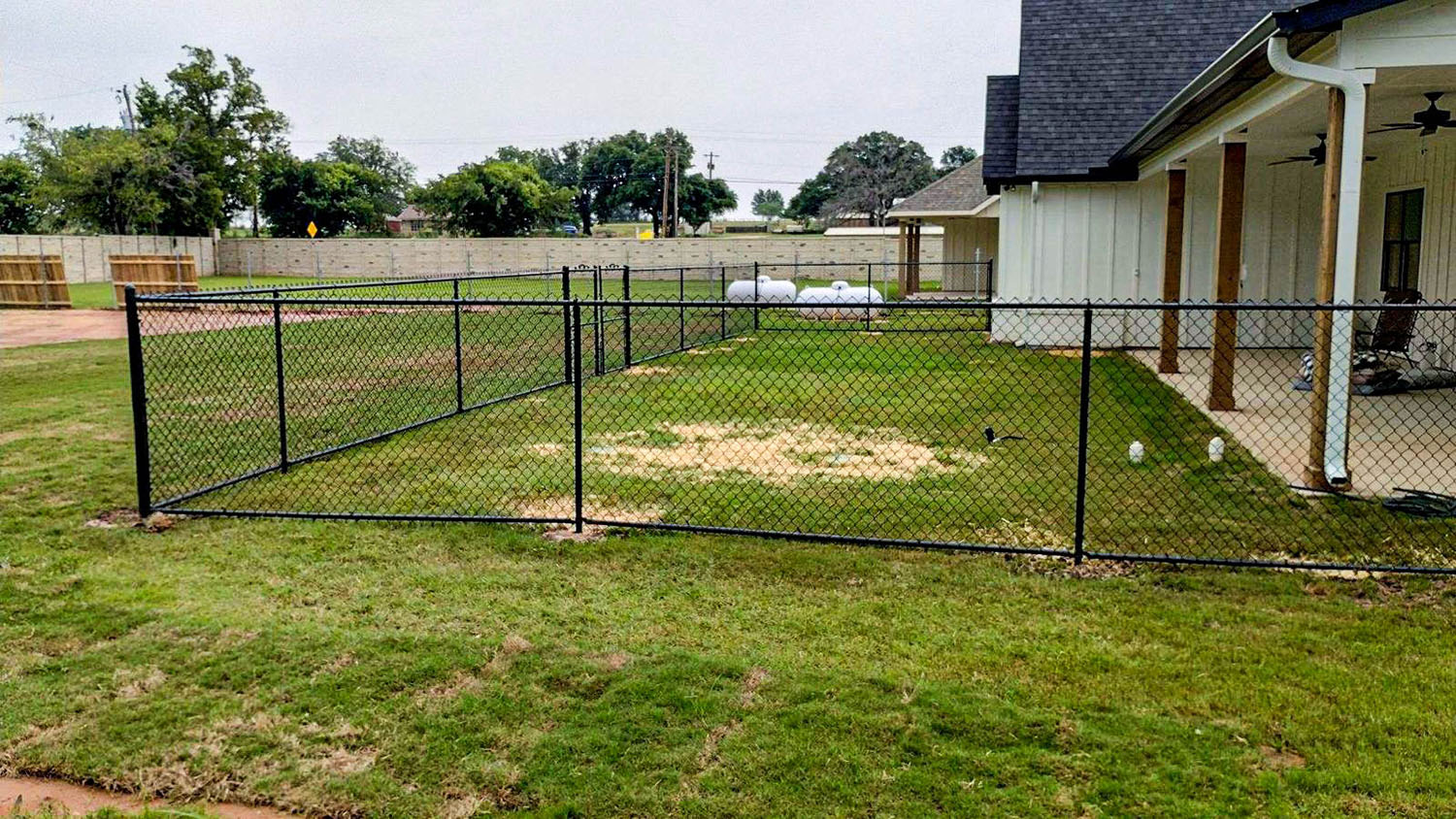
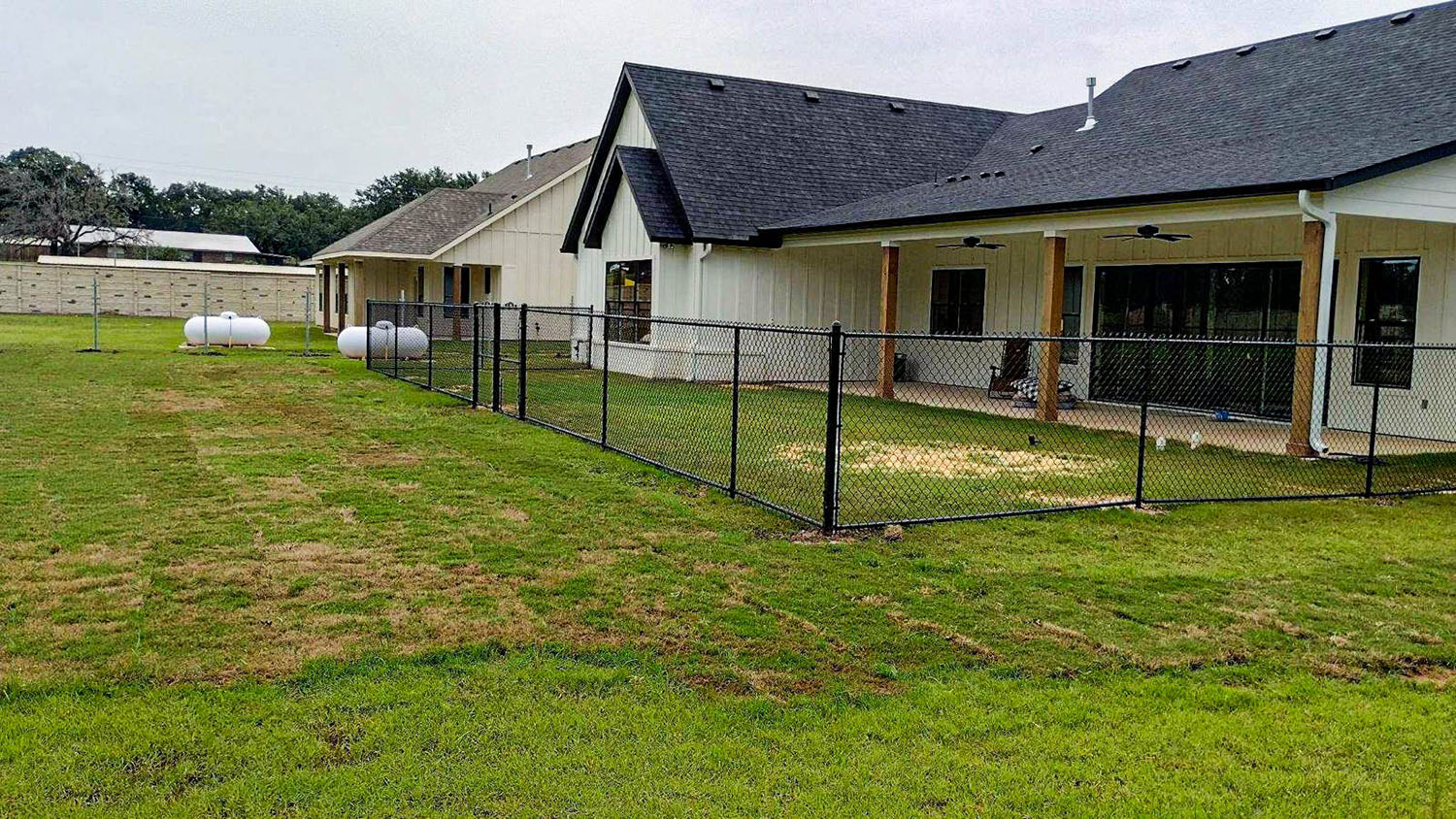
A chain link fence (also called cyclone or wire mesh fencing) is a classic, open-weave design made from galvanized steel wire, often with options for vinyl/PVC coating in colors like black, green, or brown for better looks and rust resistance. It’s widely used for residential yards, especially in practical Texas settings like Granbury where affordability and durability matter for large properties or pet containment.
Here are the main reasons someone would choose to build a chain link fence for their property:
- Highly Affordable and Cost-Effective Chain link is one of the most budget-friendly fencing options—significantly cheaper than wood, vinyl, privacy panels, wrought iron, or composite alternatives for both materials and installation. It’s ideal for enclosing large areas (e.g., backyards, side yards, or acreage) without high upfront costs, and the long lifespan means better long-term value with minimal replacement needs.
- Exceptional Durability and Longevity Made from galvanized (rust-resistant) steel, it withstands harsh weather like Texas heat, wind, storms, rain, and UV exposure without warping, rotting, cracking, or sagging like wood. Many last 20–40+ years (or longer with vinyl coating), resisting corrosion, pests, and physical impact far better than organic materials.
- Low Maintenance Requirements Virtually no upkeep needed—no staining, painting, sealing, or frequent repairs. Occasional hosing off or spot rust treatment (rare with proper galvanization/coating) keeps it looking good. This saves time and money compared to wood (which needs regular treatment) or even some vinyl options.
- Excellent Visibility and Airflow The open diamond mesh design allows clear sightlines through the fence, so you can monitor kids, pets, or the street easily. It lets sunlight reach gardens/plants, provides natural ventilation (no blocked breezes), and acts as a windbreak without toppling in gusts—perfect for open Texas yards.
- Strong Security and Containment It effectively keeps children and pets safely contained while deterring intruders (hard to cut without tools, and tall versions with barbed/razor options add deterrence). The see-through nature prevents hidden spots for trespassers, making it great for surveillance or pairing with cameras/lights—better than solid fences for visibility-based security.
- Versatile and Easy to Install/Customize Quick and straightforward to install (often DIY-friendly or fast professional setup), adaptable for various heights, gates, or slopes. Add-ons like vinyl coating improve aesthetics, privacy slats (insertable for 75–95% screening), or climbing plants/vines can soften the look while keeping core benefits.
- Wind Resistance and Practical Perks Air passes through easily, so it handles strong winds without damage or leaning—unlike solid privacy fences that can act like sails. It also clearly defines property lines without blocking views or light.
Fence Removal and Rebuild
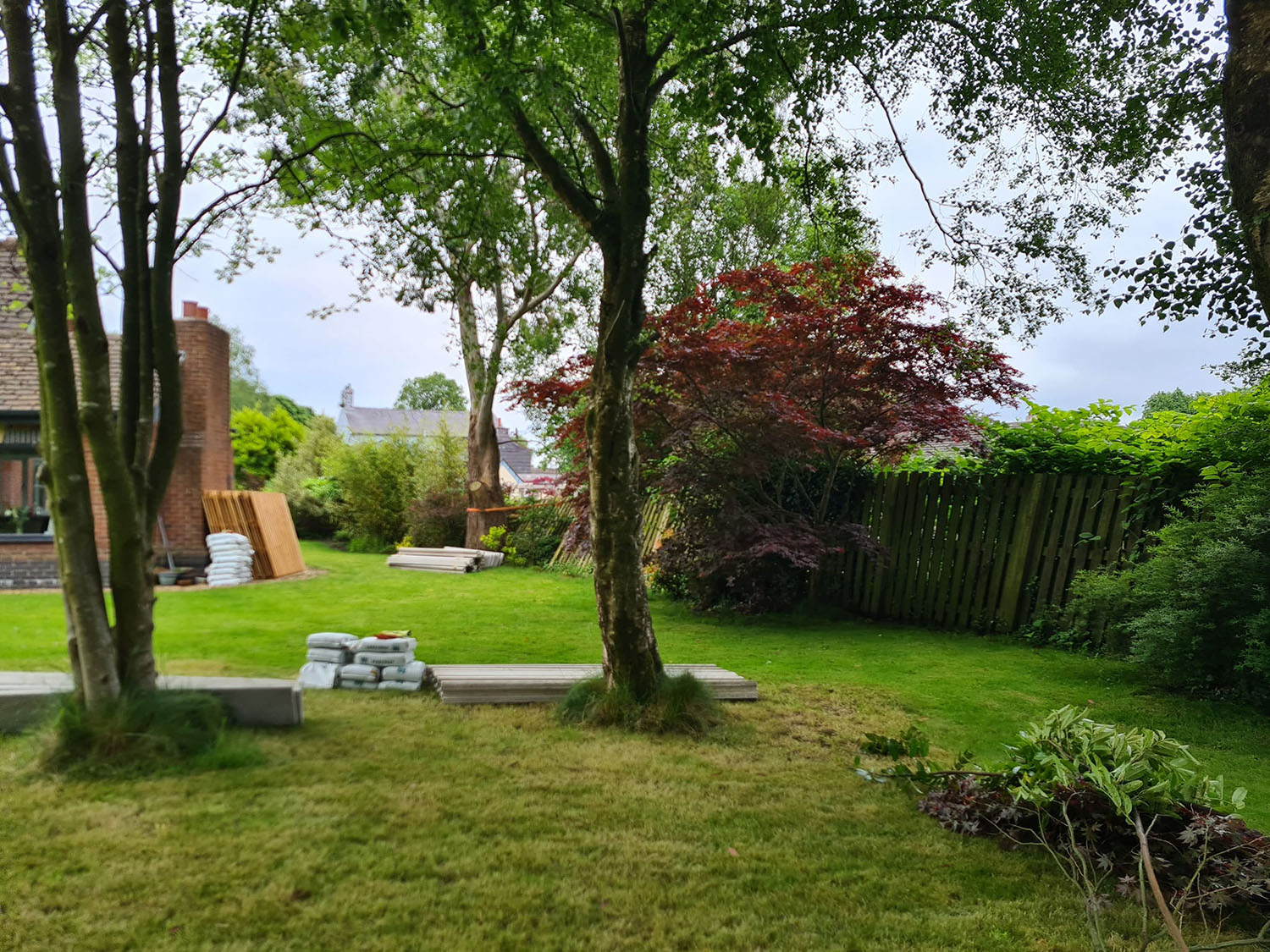
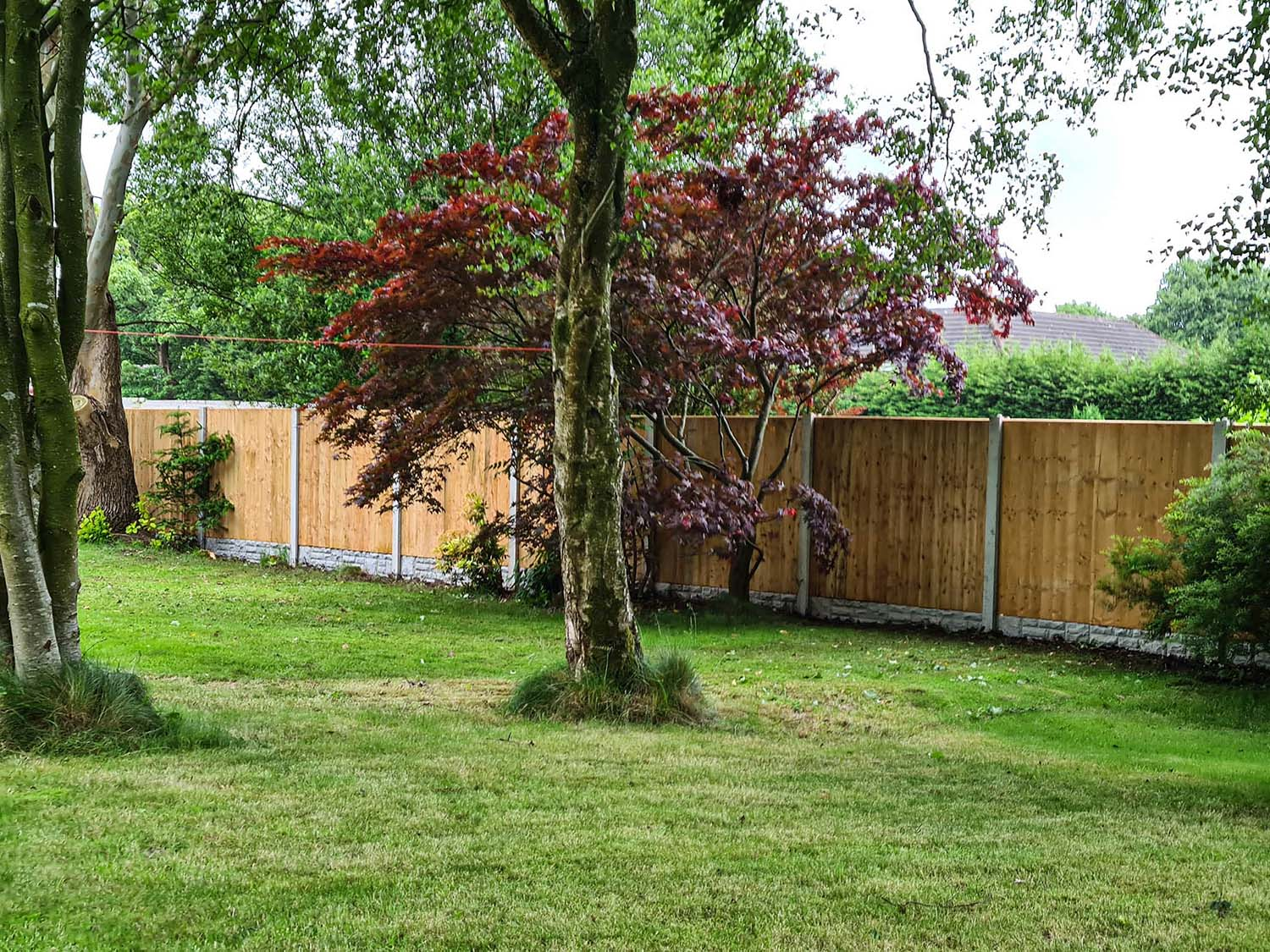
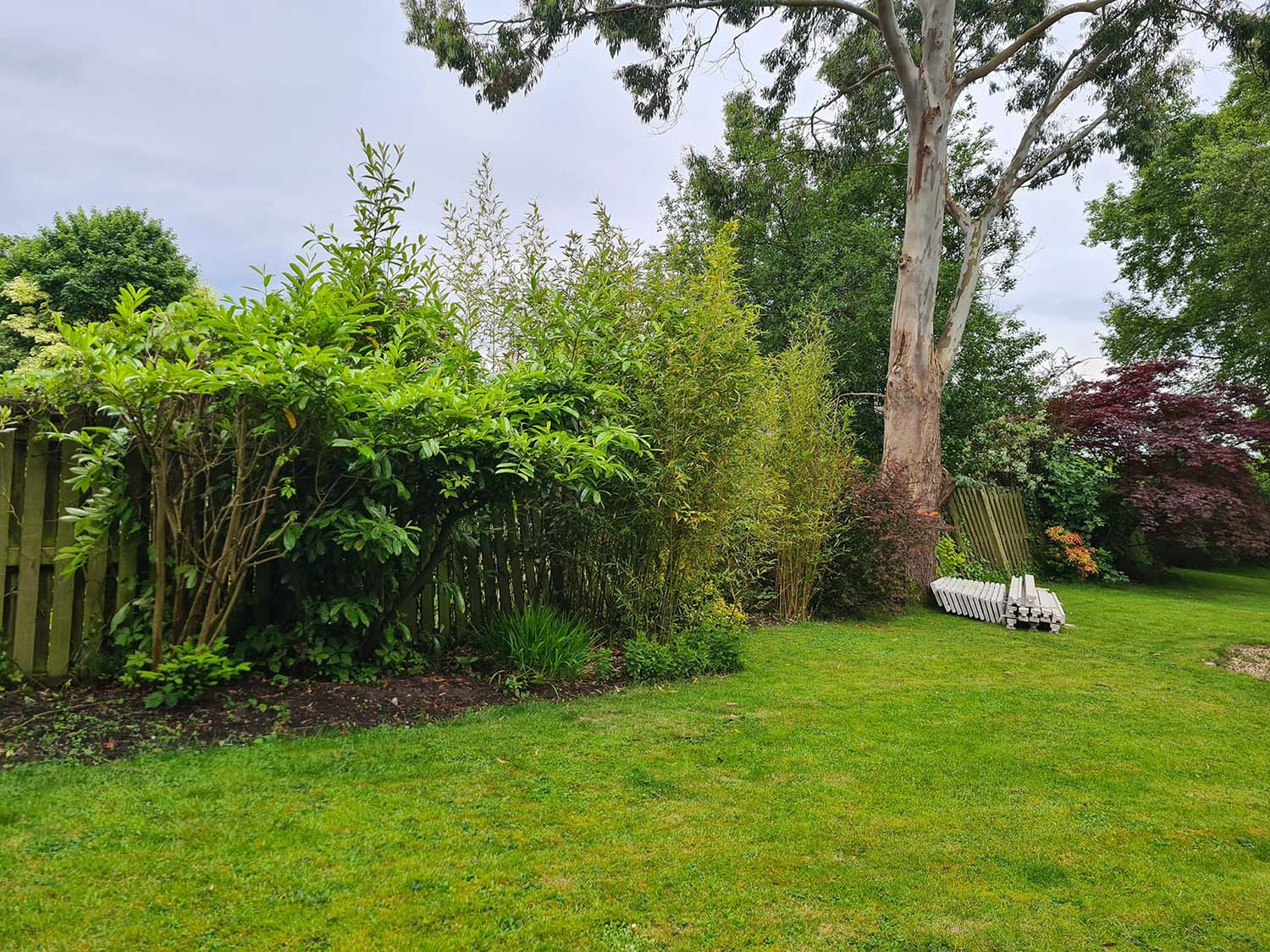
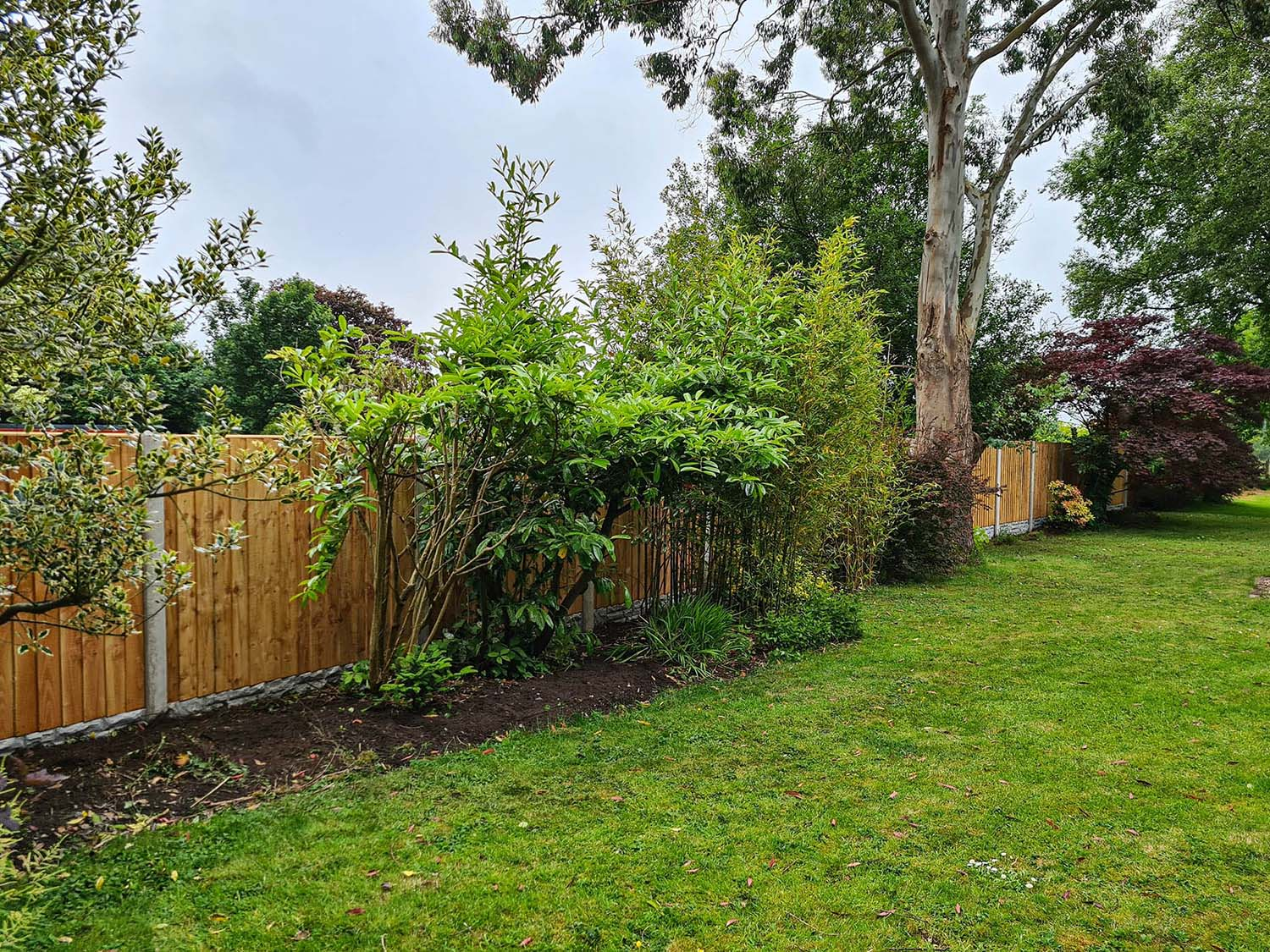
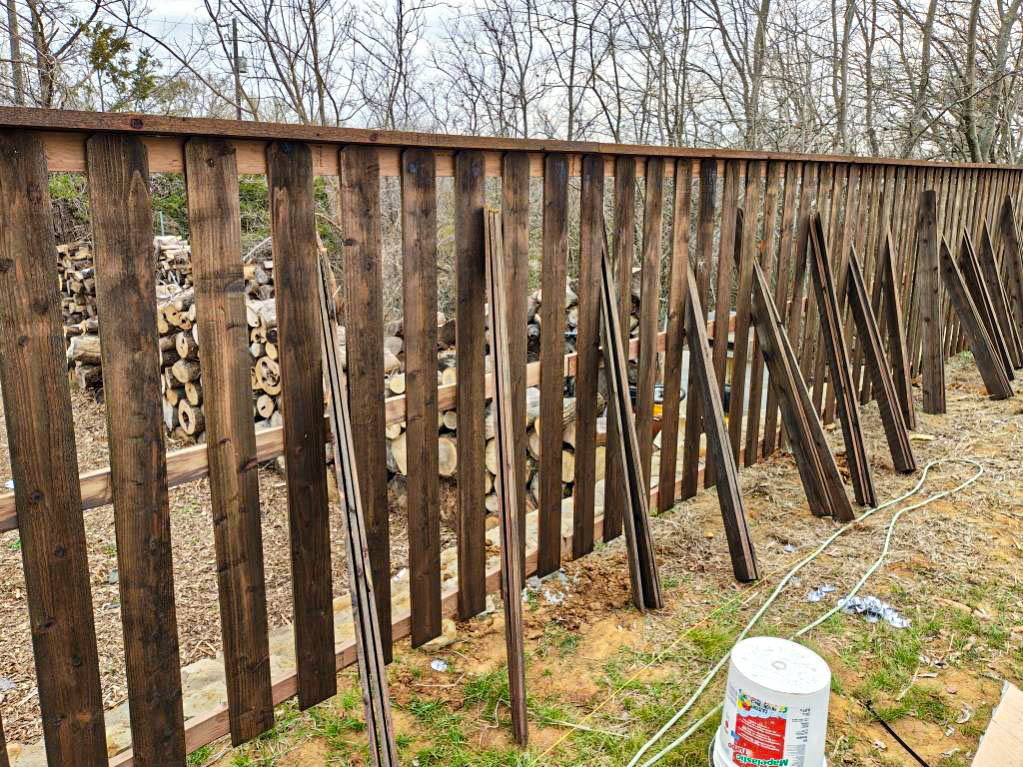
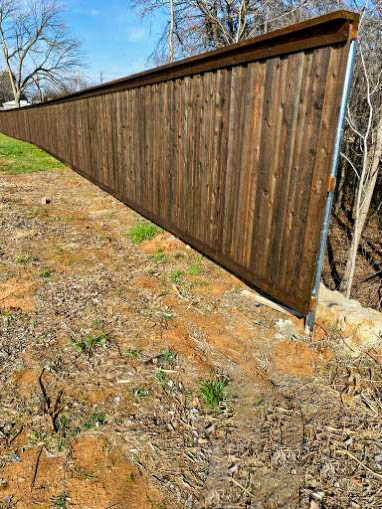
We offer fence removal and rebuild while keeping your vegatation intact. Examine the before and after photos.
These are the key reasons why homeowners often choose to remove an old fence and replace it with a new one, based on common expert advice from fencing professionals:
- Severe Structural Damage or Instability Leaning; tilting, sagging, or collapsing posts indicate the foundation is compromised—repairs may only be temporary, and a full replacement ensures long-term safety and prevents sudden failure (e.g., during storms or high winds common in Texas).
- Widespread Rot, Decay, Warping, or Cracking; especially in wood fences, extensive rot from moisture, splintering, or warped boards spreads quickly and weakens the entire structure. Replacing stops ongoing deterioration that patching can’t fully fix.
- Rust, Corrosion, or Material Breakdown (for Metal Fences); galvanized or chain link fences can rust through over time, losing strength and becoming easy to breach—new materials (with better coatings) provide superior durability against weather and pests.
- Frequent and Escalating Repair Costs; if you’re constantly fixing boards, posts, gates, or sections (e.g., multiple repairs per year), replacement is often more economical long-term—it eliminates recurring bills and the “50% rule” (if repairs near half the cost of a new fence, replace it).
- Improved Safety and Security; an old, damaged fence may fail to contain pets/kids, deter intruders, or protect against wildlife— a new one (taller, stronger, or with better features) restores reliable containment and reduces risks like escapes or breaches.
- Boosted Curb Appeal and Property Value; a deteriorated fence is an eyesore that drags down your home’s appearance and resale value— a new, well-installed fence enhances curb appeal, makes your property more attractive to buyers, and can increase overall market value.
- Ends the Cycle of Ongoing Maintenance and Hassle; old fences often require constant upkeep (staining, sealing, tightening hardware)—replacement provides a “clean slate” with minimal future effort, saving time and frustration.
In areas like Granbury, Texas, factors like intense sun, heat, occasional storms, and humidity accelerate wear, making replacement especially worthwhile for aging fences. If your old fence shows several of these issues (or you’re comparing to chain link/privacy/wrought iron options), a full replacement is usually the smarter move over piecemeal fixes.
Gates
We offer many gate options. Read below and discover what gate options you want for your property.
In Texas (including areas like Granbury, with its mix of residential neighborhoods, rural properties, and occasional ranch-style land), fence gates come in various types to match different fence styles (e.g., privacy wood, chain link, wrought iron), needs (pedestrian access, driveway entry, pet containment), and local conditions like heat, wind, and occasional storms.
Gates are typically matched to the fence material for seamless integration, with options for manual or automatic operation. Popular choices emphasize durability against Texas weather, security, and curb appeal—custom fabrication is common for unique designs.
Main Gate Types by Operation/Style:
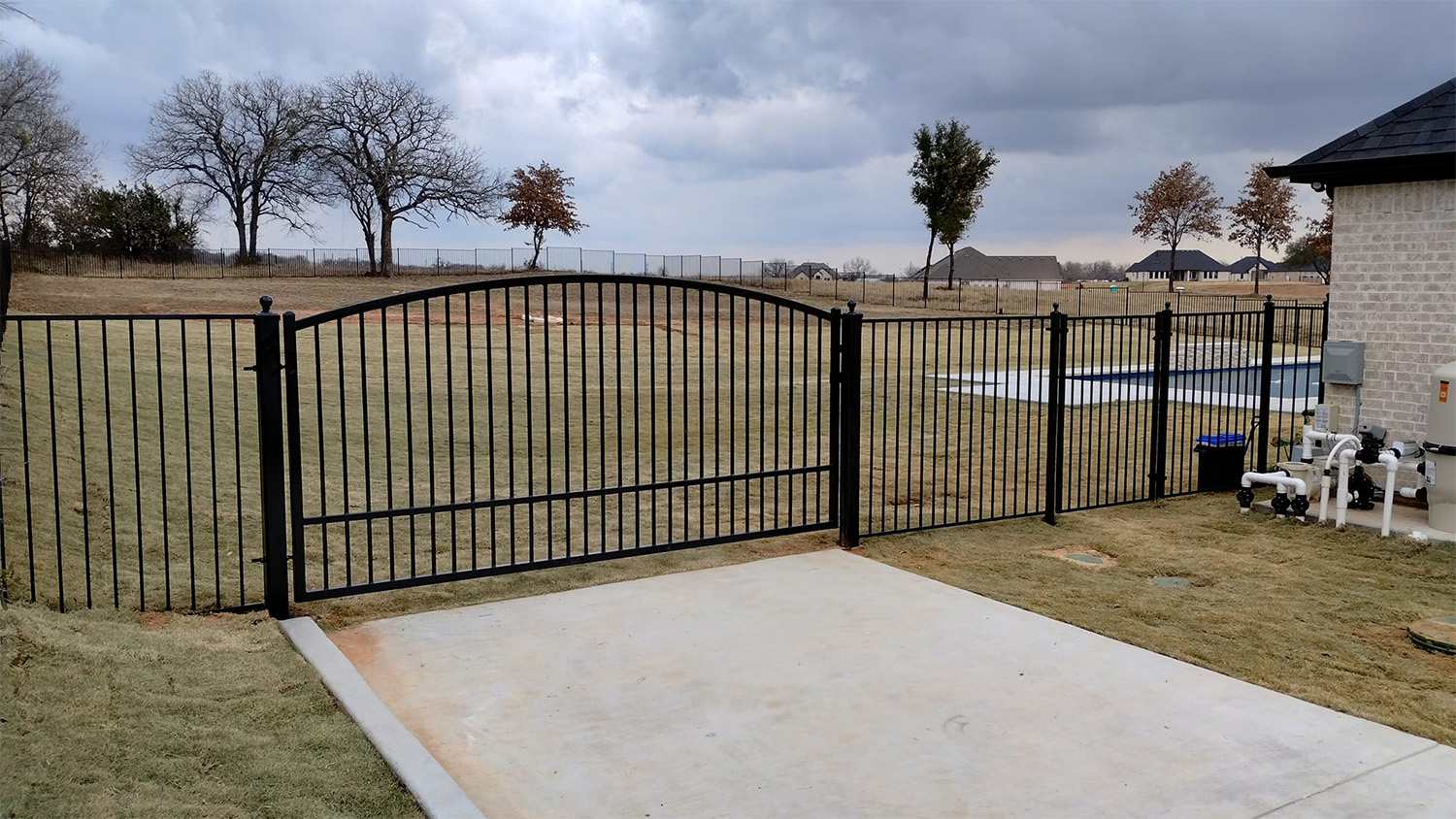
- Swing Gates Classic and most common for residential use; open inward or outward like a door on hinges. Great for walk gates (3-5 ft wide pedestrian) or double driveway gates (10-16 ft wide). Affordable, easy to install, and work well with wood privacy, wrought iron, or chain link fences. In Texas, they’re popular for backyards and front entries, but require clearance space to swing.
- Slide Gates (Sliding Gates) Slide horizontally along a track or cantilever system (no ground track needed). Ideal for limited space, sloped driveways, or high-traffic areas—common in North/Central Texas for driveways due to wind resistance and no swing arc. Often used with chain link, metal, or automated setups; widths up to 25-30 ft possible.
- Cantilever Gates; a type of slide gate that “cantilevers” (overhangs) without a bottom track—reduces debris issues and works on uneven ground. Highly durable in Texas’s variable terrain; frequently chosen for automatic driveway gates in residential and ranch settings.
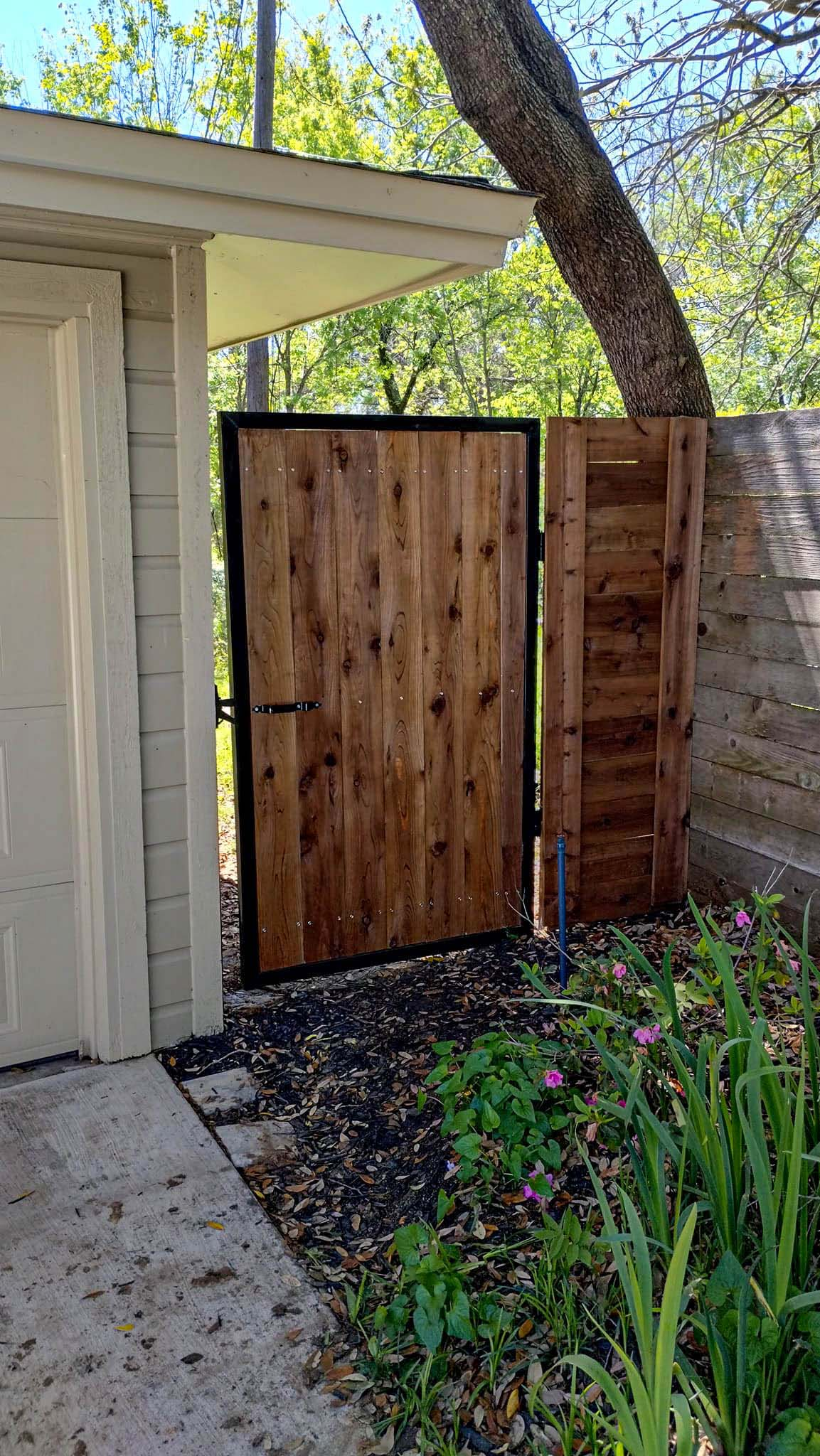
- Walk/Pedestrian Gates; single-person access gates (usually 3-4 ft wide) built into side or backyard fences. Can be solid (for privacy wood/vinyl) or open (for chain link/wrought iron). Features like self-closing hinges and latches are popular for child/pet safety.
- Driveway/Entrance Gates; wider versions (10-20+ ft) for vehicle access, often custom with arches, ornamental details, or ranch-style pipe/metal. Texas favorites include wrought iron or steel with stone pillars for grand curb appeal, especially on larger properties.
- Automatic/Electric Gates Motorized; versions (swing, slide, or cantilever) with openers, keypads, remotes, solar options, or app control. Very popular in Texas for convenience and security—adds value, deters intruders, and handles frequent use. Solar-powered common in rural spots without easy power access.


Dog Walks
Dog walk fences (sometimes called “dog walking fences” or similar terms in fencing contexts) typically refer to specialized fencing setups designed to create safe, dedicated paths or enclosed areas for dogs to exercise, walk, or run—often in backyards, fields, or properties where full-yard fencing isn’t practical or sufficient.
Here are the main reasons someone would choose to build a dog walk for their property: From common uses in pet containment and rural/residential settings (like those in Texas yards), they usually fall into a few categories:
- Parallel or “Runway” Fences for Guided Walks/Exercise These involve two parallel fences (often chain link, welded wire, or field fencing) creating a long, narrow corridor or “dog walk” path along the property edge, side yard, or perimeter. This allows dogs to run back and forth freely for exercise (like a built-in dog run) while staying contained. It’s popular for high-energy dogs needing space to zoom without escaping or accessing the full yard/neighbors. Tornado Wire and similar brands market “dog field fence” or perimeter barriers specifically for dog walking/exercise fields.
- Secure Perimeter or Field Fencing for Off-Leash Dog Walking Areas In rural or larger properties, these are tall, sturdy fences (e.g., 6ft+ chain link, welded wire mesh, or field fencing with added reinforcements) enclosing a dedicated “dog field” or open area for safe off-leash walks, play, or perimeter patrols. They prevent escapes, digging under, or climbing over—often with buried wire, coyote rollers, or angled tops for extra security.
- Enclosed Dog Runs or Walk Paths Attached to Homes Smaller-scale versions might be attached runs or tunnels (like catio-style extensions for dogs) that let pets “walk” outdoors safely along a path from a door or kennel.
Key Advantages of Dog Walk Fences
- Targeted Exercise Space: Provides a dedicated area for running/walking without needing the whole yard fenced—great for smaller properties or when full privacy fencing is too expensive.
- Containment & Safety: Keeps dogs secure from traffic, wildlife, or neighbors while allowing natural movement and mental stimulation (e.g., sniffing along the path).
- Reduces Boredom & Problem Behaviors: High-energy dogs get outlet for running, reducing fence-running frustration, digging, or barking at passersby.
- Cost-Effective for Large Areas: Cheaper than full-yard privacy fencing; chain link or wire options are durable, low-maintenance, and wind-resistant in Texas conditions.
- Customizable & Versatile: Can add gates, shade, or plants; works well with existing boundaries or for creating “perimeter walks” that teach boundaries (common in farm/dog training setups).
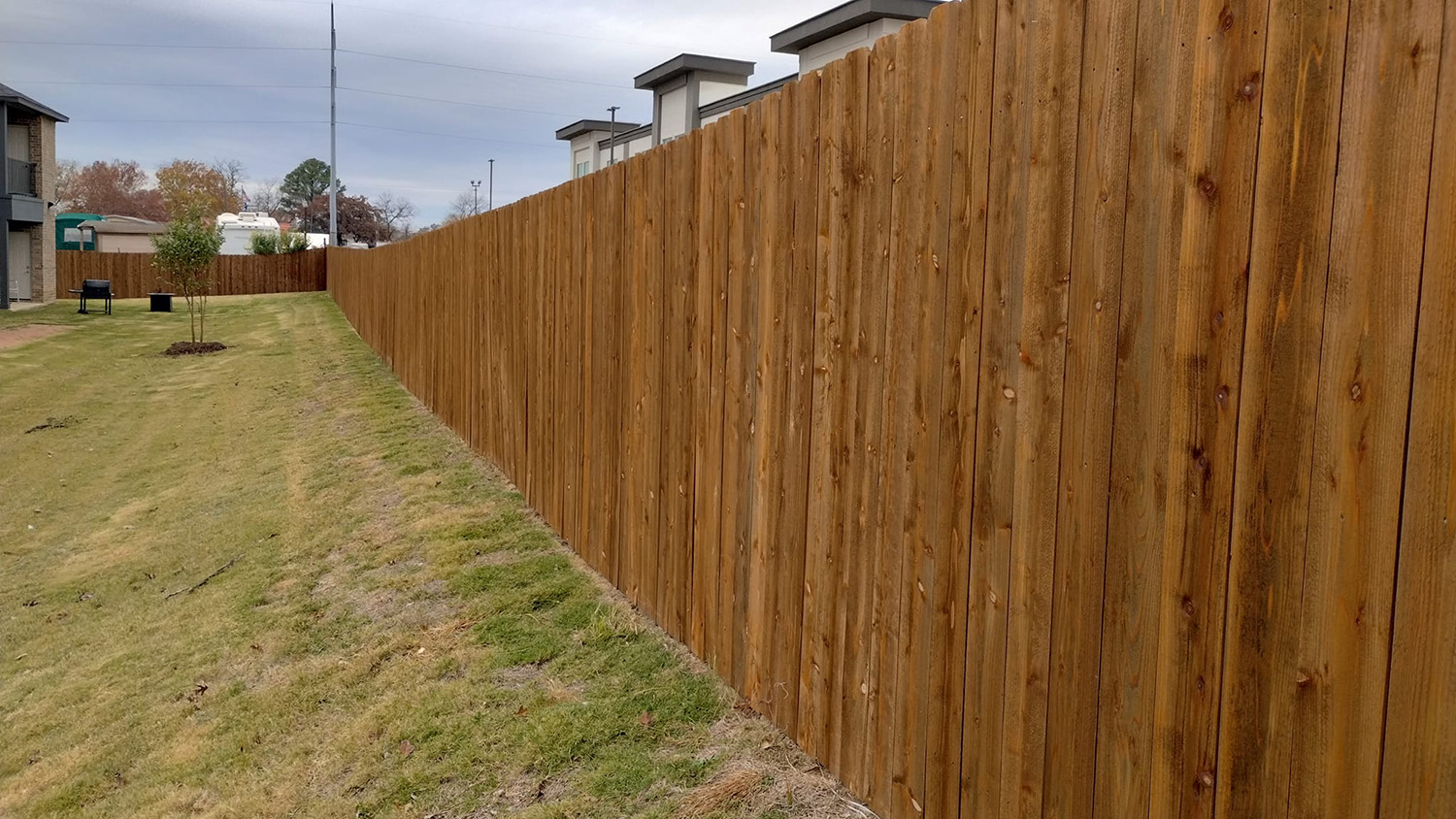
Gate Building Process
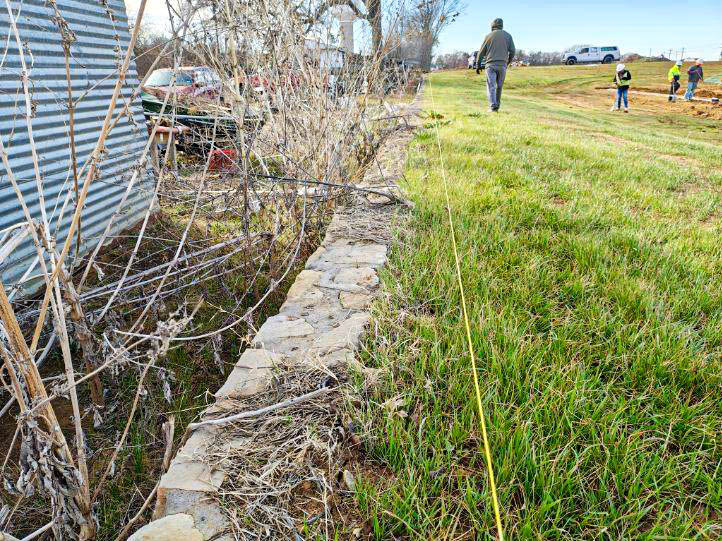
We decide in a fence and start measuring
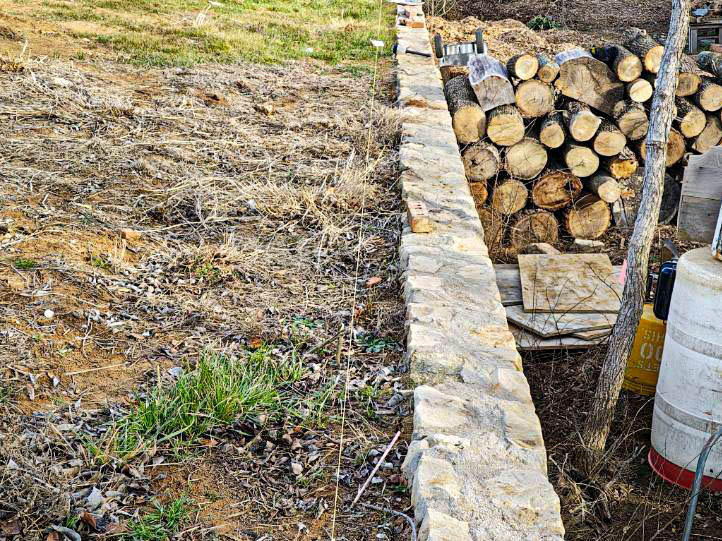
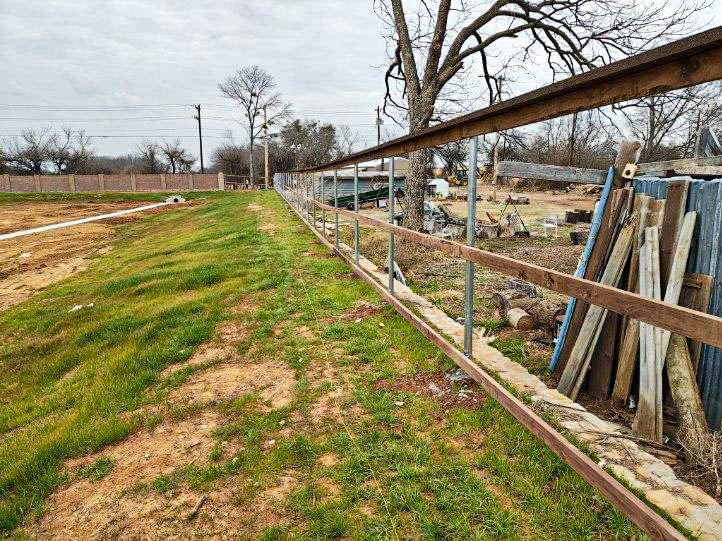
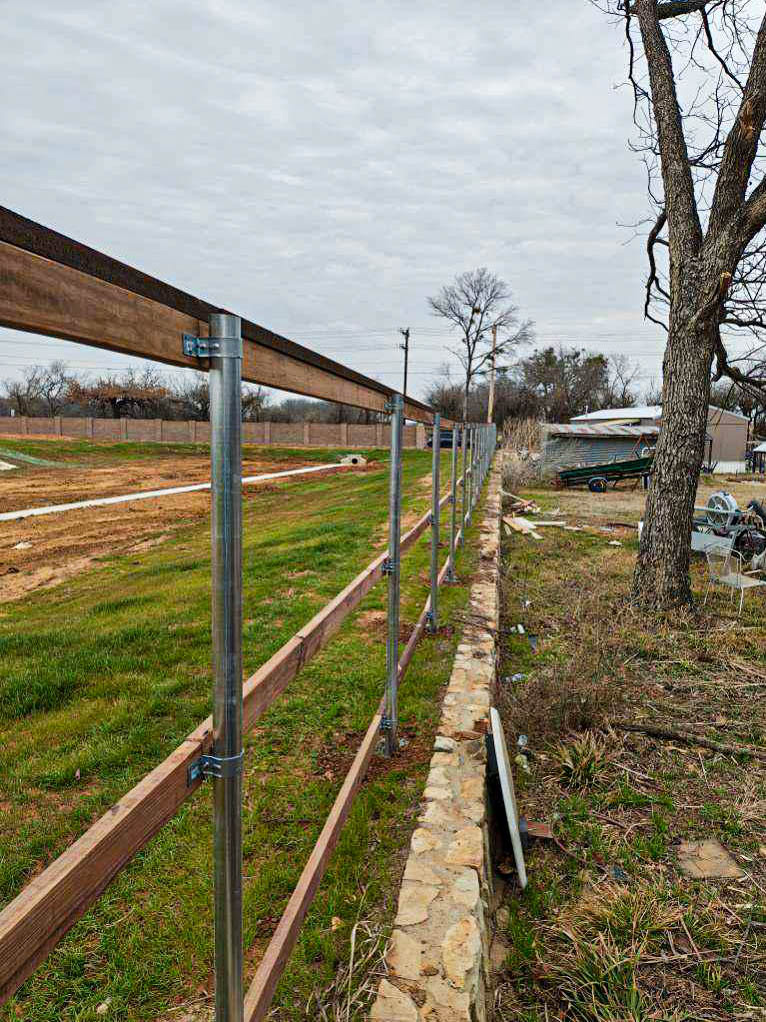
We build the structure after measuring to make the fence solid and stand the test of time.
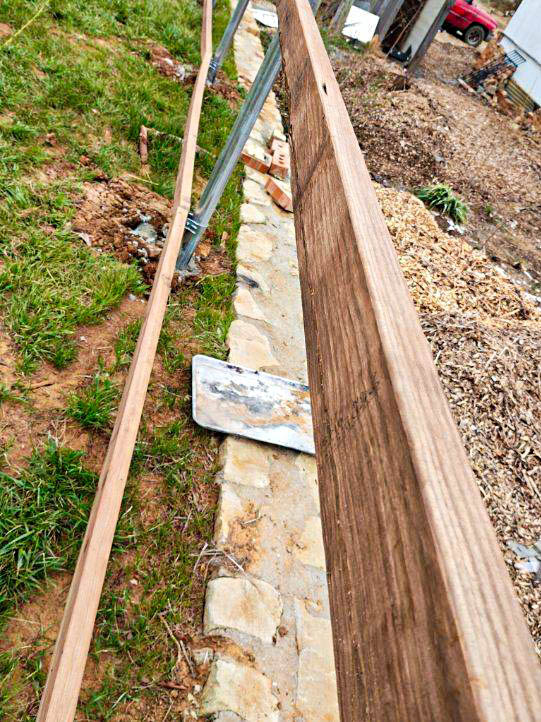
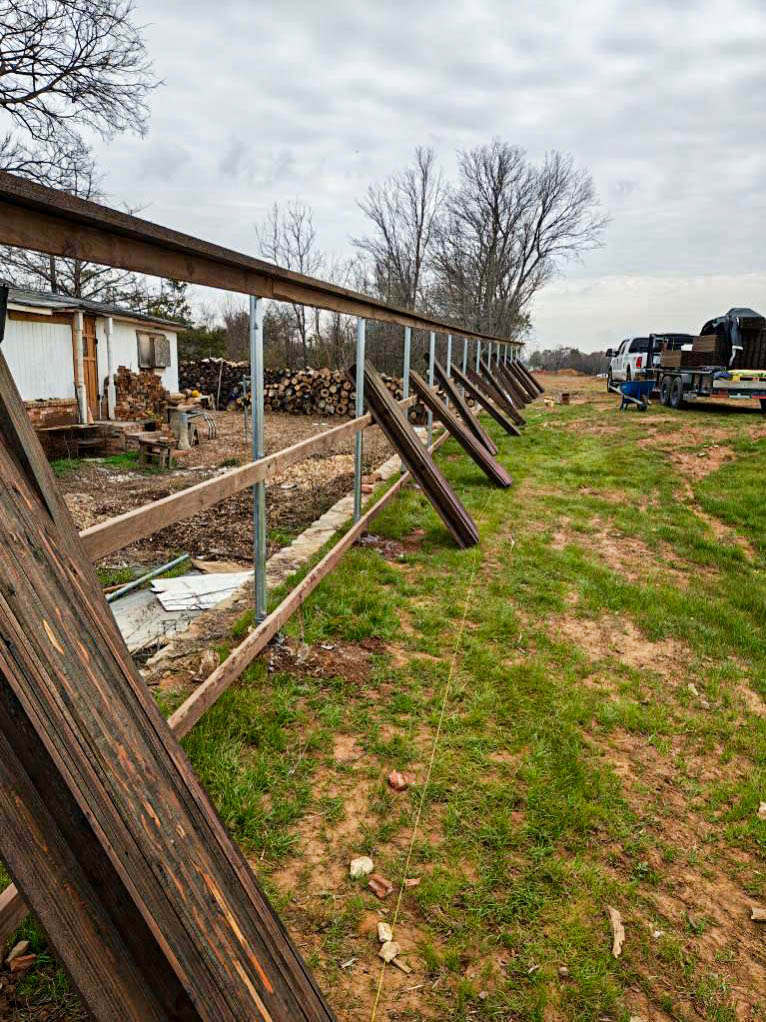
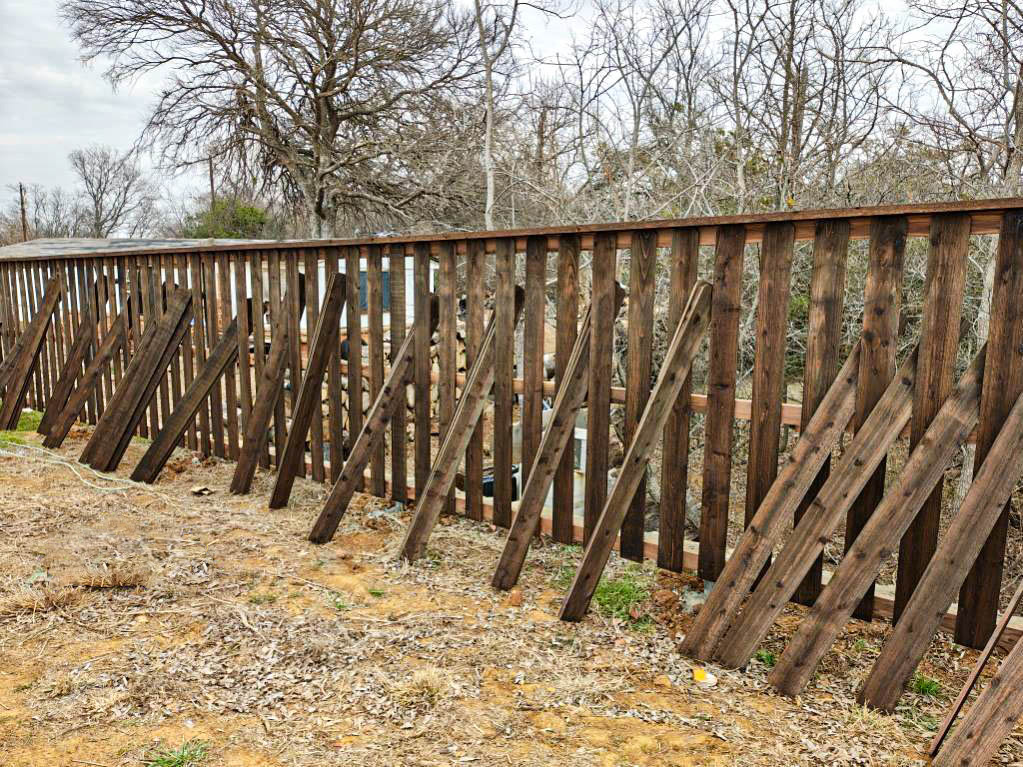
Finally, we build the fence off the structure until it is complete.

Nick
Sales and Building